13 September 2026
P20 Rice in Bicol: Why Few LGUs Signed Up
P20 rice is selling at NFA outlets across Bicol, but only a few local governments have signed up, and buyers must queue up for a strict ten kilo limit.
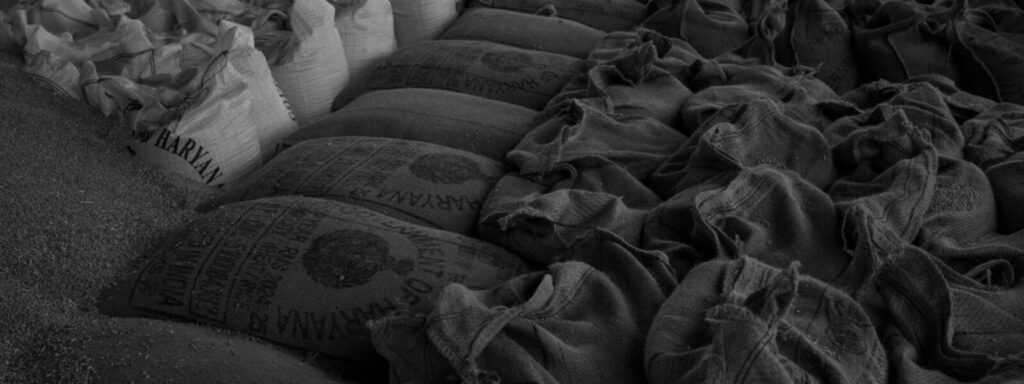
Buying P20 rice in Bicol means standing in a long line for a ten kilo limit, and right now only a handful of local governments in the region are offering it at all. The P20 rice queues are forming at National Food Authority outlets in Camarines Sur and in other provinces, where the cheap rice is real but the access isn’t evenly spread.
The program is open. The participation isn’t.
Who is actually allowed to buy P20 rice?
The program doesn’t sell to everyone. Eligibility runs to farmers, drivers in the transport sector, senior citizens, persons with disabilities and other qualified groups, and a buyer has to present a valid ID at the point of sale.
That’s a targeted subsidy rather than a general price cut, which is worth being clear about before anyone turns up expecting to buy. If you’re not in one of those sectors, the P20 rice isn’t for you.
Why are the lines so long?
Because P20 rice supply meets demand at a single point. When only a few outlets in a province are selling, everyone eligible in a wide radius converges on the same warehouse, and the queue becomes the rationing mechanism.
The purchase cap makes it worse in a specific way. A buyer can take home only ten kilos, so a household that needs more has to come back and stand in the same line again. The sacrifice described isn’t the price, it’s the time.
Which local governments are selling it?
Local governments are authorized to enter into contracts with the NFA and the Department of Agriculture to sell rice under the Benteng Bigas Program of President Ferdinand Marcos Jr. Authorized, not required.
In Camarines Sur, only a few have taken it up. Nabua is one of them and is already selling P20 rice drawn from the NFA warehouse. Other provinces in the region have the program running too, but on a limited basis. NFA Camarines Norte has taken a different approach and is going around the barangays rather than waiting for buyers to come to a single outlet.
One province sends the rice to the people. Most of the others don’t.
Why would a local government turn down cheap rice?
This is the part that isn’t settled. Many LGUs haven’t entered into contracts and the reason isn’t known.
One explanation is on the record. Some local governments have pointed to the ten kilo cap, on the grounds that limiting buyers to that quantity makes the whole exercise a sacrifice for the people queueing. Whether that’s the real reason across the board, or the stated one for a few, the account doesn’t say.
It’s worth resisting the urge to fill that gap. A program with a low take-up rate usually has an administrative cost sitting behind it somewhere, storage, hauling, staffing, or the contract terms themselves, but none of that is documented here and guessing at it would be inventing the answer.
The province that grows the rice pays the most for it
Camarines Sur has the highest rice production in Bicol. Market prices there are expensive anyway.
At the same time, palay is bought cheaply from farmers, and the gap widens during harvest season when supply is at its peak. So the same province produces the rice, sells its farmers’ palay at a low price, and then buys milled rice back at a high one.
That spread is the reason a P20 rice program exists in a rice-producing province at all. It also explains why farmers are on the eligibility list. They’re being offered a subsidy on the product they grew.
What happens to the buffer stock?
The NFA hasn’t explained whether food security is guaranteed while the cheap rice selling continues.
That question isn’t academic in this region. The NFA warehouse stock is what gets drawn down during a calamity, and Bicol sits in the path of storms every year. Selling from the same stock that’s meant to hold a reserve is a tradeoff, and nobody has put numbers on which side of it the agency is currently on.
Two delivery models, and only one of them scales
The difference between how Camarines Sur and Camarines Norte are running this is the most useful thing in the whole account, and it’s easy to miss.
Camarines Sur works from a fixed point. Rice sits in the NFA warehouse, eligible buyers travel to it, and the queue forms because everyone arrives at the same place. The cost of the subsidy lands on the buyer as travel and waiting time, and it lands hardest on the people furthest out, which in a province this size means the farmers the program is partly aimed at.
Camarines Norte sends the rice out instead. NFA staff go around the barangays. The buyer doesn’t absorb the travel, the agency does, and a senior citizen in an outer barangay gets the same access as one living near the town center.
Same P20 rice, same national program, two completely different experiences depending on which province you happen to live in. If the goal is reach rather than throughput, the roving model is the one worth copying, and it’s the one being run in the smaller province.
What the ten kilo cap actually does
A cap is a rationing tool and it does its job. Ten kilos stops one buyer clearing a day’s stock, and it spreads a limited volume across more households.
The cost is repeat trips. A family that goes through more than ten kilos in a stretch has to rejoin the queue, so the effective price of P20 rice includes however many hours that takes, multiplied by however many times they come back. For a transport driver or a senior citizen, that isn’t a small line item.
Some local governments have said this is why they stayed out. Whether a higher cap would have brought them in is the obvious follow-up question, and it hasn’t been asked or answered anywhere in the record.
There’s a version of this where both things are true at once, where the warehouse is turning over stock it would have had to rotate anyway and the P20 rice program is drawing on volume that was already due for release. That would make the food security question a non-issue. The point is that nobody has said so, and a reserve is only a reserve if somebody is publishing the number.
What the record doesn’t establish
There’s no count of how many LGUs in Bicol have signed contracts and how many haven’t. “Only a few” and “limited” are the descriptions available, and neither is a number.
There’s no volume figure for rice released, no queue length, no stated buffer level, and no comparison against what the warehouse held before the program started. The unnamed reasons LGUs are staying out are unnamed in the source too.
There’s also no end date. A subsidy program without a published duration is one that people plan around badly, because nobody queueing knows whether to come back next month.
What to watch next
Three things would turn this from an impression into something measurable. A published list of participating LGUs per province, so residents know whether their town is in. A released volume figure against the standing buffer, so the food security question has an answer. And a stated reason from the LGUs that declined, because right now the most consequential fact in this story is the one nobody has said out loud.
Until those exist, P20 rice in Bicol is a real program with genuine cheap rice behind it, reaching a small number of towns, through queues long enough that the people it was designed for are paying for it in hours instead of pesos.
Source: original report, published September 12, 2026.
Source Bicolmail Newspaper, reported 12 September 2026. Written from the original report.
Published 13 September 2026. Every figure on this site carries its source and the date it was read. Where our data comes from. Something wrong here?