29 August 2026
Barangay Elections Postponement Now Rests With Congress as Naga Prepares for the November 2 BSKE
Congress decides the barangay elections postponement, not Comelec. What the delay costs Naga, the ₱30 million plebiscite question, and the dates that settle it.
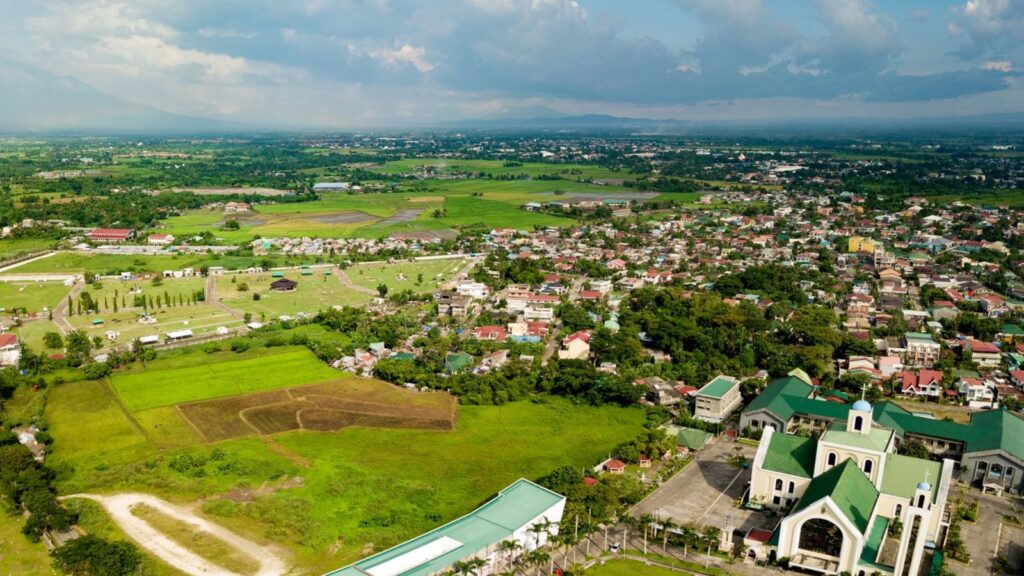
The Commission on Elections is still preparing for the 2 November barangay and Sangguniang Kabataan elections while Congress decides whether to postpone them, and the poll body has asked for that decision before mid-September. In Naga City, local election officer Maico Julia said running the city’s plebiscite on the same day would save about ₱20 million, and holding the two separately could cost as much as ₱50 million.
₱20 million to combine the votes, ₱50 million to split them
Julia’s preference is arithmetic, not sentiment. Naga has a city plebiscite set for the same date. One election day covering both questions costs the city roughly ₱20 million less than two separate exercises, and the separate route is put at as much as ₱50 million.
That ₱30 million spread is the whole local stake in the barangay elections postponement question. A city that plans for one trip to the precinct and gets two pays for the difference twice, once in logistics and again in the turnout a second election day tends to lose.
The barangay elections postponement is a bill in Congress, not a court case
This is the part worth being precise about. The delay isn’t a Comelec decision and it isn’t a court order. Congress is considering measures to defer the 2026 BSKE, the Senate is taking them up, and until a postponement is passed into law the Comelec continues on the assumption that 2 November holds.
A city election office has no say in it. That’s what the wait-and-see position actually means. Naga is building toward a date it can’t defend.
Why the Comelec wants an answer before mid-September
Comelec Chairman George Erwin Garcia made the case at a Senate hearing on Monday, 24 August. A late decision and an early one cost very different amounts.
Materials already bought, ballots, indelible ink, pens and thumbprint takers, would mostly survive a postponement and be usable later, though Garcia said some operational spending couldn’t be recovered. Training for the public school teachers who staff electoral boards starts in about three weeks. Postpone after that begins and the honoraria, transport and venue costs are gone. Printed voter lists could also become obsolete if a postponement triggers fresh registration, which means printing them again.
Julia put spending so far at about ₱8 billion on materials, with a further ₱11 billion allocated for salaries, transport and operations, and noted that pens and inks carry expiry dates. Once a postponement law passes, the Comelec can stop spending.
What barangay and SK candidates in Naga should do now
Prepare for 2 November, and treat any later date as something you’ll be told about rather than something to plan around. Filing of certificates of candidacy runs from 28 September to 5 October. The Comelec is hoping Congress moves in the first week of September precisely so that window doesn’t open under a date that then changes.
Every downstream deadline keys off the official date. Campaign periods and spending limits move with it, and a candidate who paced themselves to a rumour loses weeks.
Questions the report leaves open
- What the Naga plebiscite is actually asking. A ₱20 million savings argument is attached to a question whose subject is never named, and that subject matters more to most voters than the scheduling fight around it.
- Which measures Congress is considering. The bills are referred to in general terms, with no numbers, authors or current stage. We aren’t naming a bill number we haven’t confirmed.
- Whether the ₱8 billion and ₱11 billion are national figures. Both are attributed to a city election officer, and the scale points to national Comelec spending rather than Naga’s. The distinction changes what the numbers mean.
- The campaign period dates. Filing is given. Campaign start and end are not.
- What happens to the plebiscite if the BSKE moves. Whether Naga would hold it alone on 2 November or move it too is unanswered, and it’s the ₱30 million question.
The dates that decide this
First week of September, when the Comelec hopes Congress will act. Mid-September, the point after which the poll body says a decision starts costing real money. 28 September, when filing opens. And roughly three weeks from the 24 August hearing, when teacher training starts and a postponement stops being cheap.
If nothing has passed by the time filing opens, the practical answer is that 2 November holds.
Source Bicolmail Newspaper, reported 28 August 2026. Written from the original report.
Published 29 August 2026. Every figure on this site carries its source and the date it was read. Where our data comes from. Something wrong here?